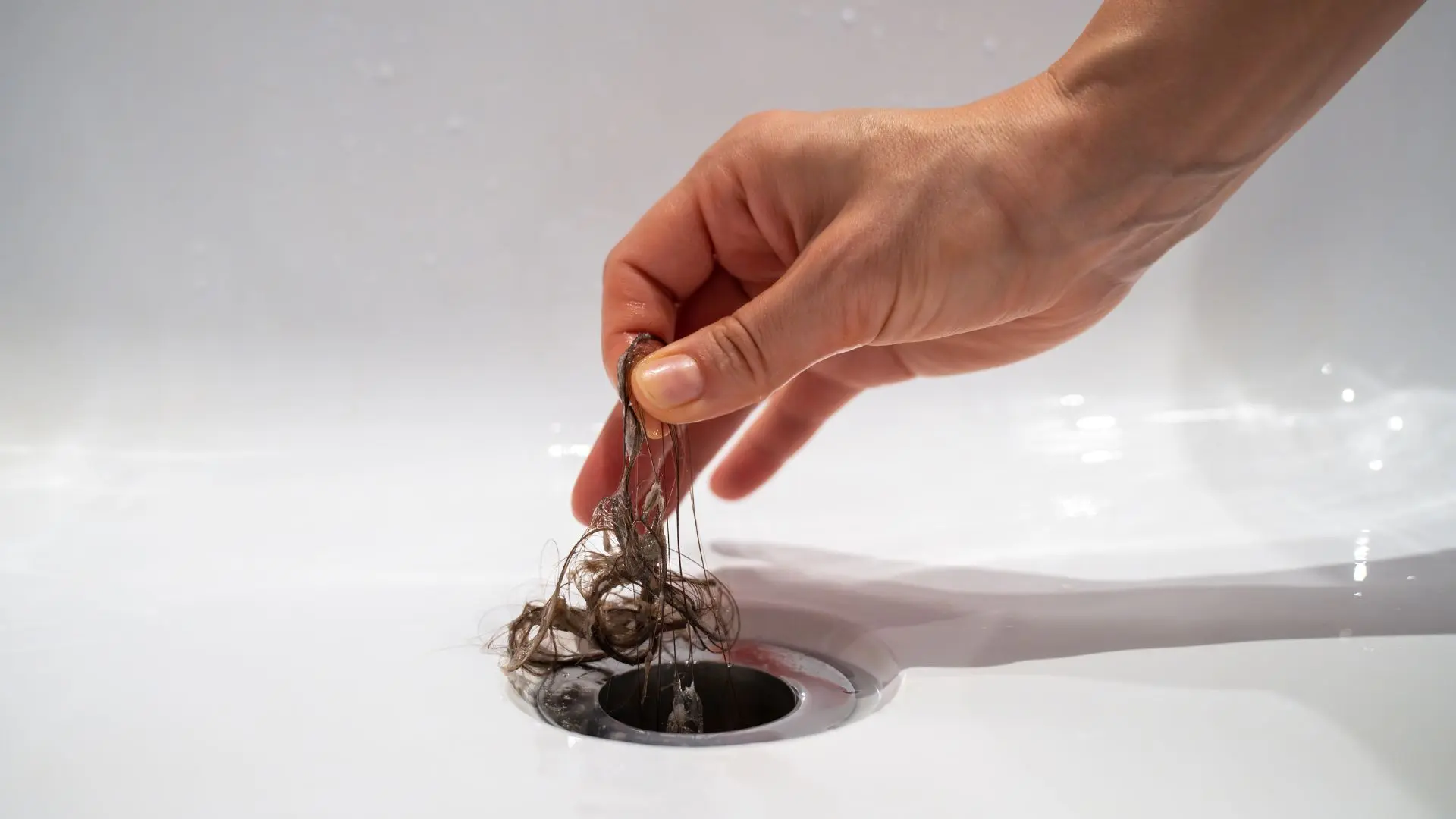
Blocked drains are often seen as plumbing nuisances that cause slow water flow, bad smells, and occasional backups. However, many property owners overlook a significant issue: blocked drains are a clear indicator of potential pest infestations.
Whether it’s cockroaches, rodents, flies, or ants, drainage issues provide pests with the ideal environment to thrive. Understanding the connection between blocked drains and pests can help prevent recurring infestations and protect the structural integrity of your property.
Why Blocked Drains Attract Pests and Create Ideal Conditions for Breeding
Blocked drains create a haven for pests by providing essential resources such as food, water, warmth, and shelter. When left unchecked, these conditions allow pests to breed and multiply at an alarming rate.
Standing Water as a Pest Magnet in Blocked Drains
When drains are blocked, water tends to stagnate in pipes, floor drains, or even external stormwater systems. This standing water becomes a reliable hydration source for pests such as cockroaches, rodents, and flies. Cockroaches, in particular, thrive in wet environments, using these water sources to survive and reproduce, making blocked drains a prime breeding ground for them.
Organic Waste Builds Up in Pipes, Attracting Pests
Grease, food scraps, soap residue, and other organic debris accumulate in blocked drains over time. As this matter decomposes, it creates foul odours and attracts pests from both inside and outside the property. These organic build-ups provide a constant food source for pests, further compounding the infestation issue. Pest control solutions help address these underlying issues before they lead to significant pest problems.
Warm, Dark, and Undisturbed Spaces Inside Drainage Systems
Effective cockroach control requires targeted treatment of drainage systems where these pests commonly hide and breed. Professional drain treatments, combined with regular cleaning and moisture reduction, help eliminate existing infestations and prevent future nesting. Sealing entry points, reducing food sources, and maintaining dry, well-ventilated conditions further disrupt their habitat, ensuring long-term control and reducing the risk of reinfestation.
How Drain Issues Enable Pests to Spread Indoors and Affect Multiple Rooms
Blocked drains not only attract pests, but they also create easy pathways for pests to spread throughout the home. The same plumbing system that gets clogged with debris can also serve as a route for pests to move freely throughout your property.
Plumbing Penetrations Create Entry Points for Pests
Pipes running through walls, floors, and ceilings often have small gaps or cracks around them. These gaps, which are often unnoticed, allow pests emerging from the drain system to infiltrate the rest of the property. Cockroaches, rodents, and ants use these small cracks to enter cupboards, ceilings, walls, and other hidden areas. Pest control measures need to target these entry points in addition to surface treatments to keep pests from spreading throughout the property.
Hidden Leaks From Partial Blockages Increase the Infestation Risk
Partial blockages in your drainage system may cause slow leaks behind walls, under floors, or in other hidden areas. These leaks, though often undetected, provide pests with the moisture they need to survive and breed. Even if the surface of your drains seems dry, these hidden leaks continue to fuel the infestation. Identifying and fixing these leaks is essential to preventing pest issues from worsening over time.
Multi-Unit Buildings Face a Higher Risk of Pest Spread
In apartments or commercial buildings with shared plumbing systems, blocked drains in one unit can affect others. Cockroaches and other pests can easily migrate between units through the plumbing, making isolated treatments ineffective. A comprehensive pest control strategy is required to address pest issues across multiple units, ensuring that the problem doesn’t reappear after treatment.
Health and Property Risks Associated with Blocked Drains and Pest Infestations
Blocked drains, in combination with pest infestations, present more than just an inconvenience. They can cause serious health risks and property damage.
Contamination and Disease: Pests Spreading Pathogens
Pests that emerge from blocked drains often carry bacteria, pathogens, and allergens. Cockroaches, rodents, and flies are known to contaminate food preparation areas, spreading harmful microorganisms that can cause foodborne illnesses. In homes and commercial kitchens, these pests significantly increase the risk of contamination. Pest Exterminator treatments help manage these risks by targeting the root cause of the infestation.
Structural Damage: Rodents and Moisture Weakening Your Property
Rodents, such as rats and mice, can chew through pipes, insulation, and wiring, causing significant damage to the property’s structure. Meanwhile, the persistent moisture caused by blocked drains can weaken building materials like wood and drywall. Over time, this moisture can lead to mould growth, rotting wood, and expensive structural repairs.
Persistent Odours and Poor Indoor Air Quality
The combination of blocked drains and pest activity often results in unpleasant odours that can spread throughout the property. These odours not only affect the comfort and hygiene of your home or office, but they can also impact the overall indoor air quality, creating an unpleasant living or working environment.
Why Treating Pests Alone Often Fails: The Importance of Addressing Drain Issues
One of the most common mistakes property owners make is focusing only on pest control while ignoring the underlying drainage issues. Without addressing the root cause of the infestation, the blocked drains, pests are likely to return, no matter how effective the surface treatments may seem.
Pests Will Return If Drainage Conditions Remain Untreated
Even the most effective pest control treatments will fail if the blocked drains continue to provide pests with food and water sources. When the conditions that initially attracted the pests remain unchanged, they will simply return once the treatments wear off.
Hidden Breeding Sites Remain Active Without Drain Cleaning
Surface treatments are unable to reach the breeding sites hidden inside pipes and drains. Without professional drain cleaning and maintenance, these breeding sites remain active, perpetuating the infestation.
Preventing Pest Infestations Through Regular Drain Maintenance
Long-term pest prevention requires addressing the root cause of drain health. The following steps can help prevent pest infestations through proper drain maintenance:
Regular Drain Inspections to Catch Problems Early
Routine inspections of your plumbing system allow you to identify early signs of blockages, leaks, or pipe damage before they escalate into major pest problems. A regular checkup can prevent infestations from taking hold.
Professional Drain Cleaning to Eliminate Food Sources
High-pressure cleaning and the proper removal of organic build-up inside pipes eliminate the food sources that pests rely on. This reduces the attraction for pests, making your home less inviting.
Sealing Entry Points Around Plumbing to Keep Pests Out
Sealing gaps around plumbing penetrations and repairing damaged pipes reduces pest access from the drain system into living spaces. Ensuring these entry points are sealed is essential for preventing pests from infiltrating the property.
Integrated Pest and Drain Management for Comprehensive Control
Combining drain maintenance with professional pest control ensures a comprehensive approach to pest prevention. This combination targets both current infestations and long-term risks, addressing both the drains and the pests that rely on them.
Conclusion
Blocked drains and pest infestations are closely connected, yet this issue is often overlooked by property owners. Drainage problems create ideal conditions for pests to thrive and spread, which is why simply treating the pests on the surface isn’t enough. By addressing blocked drains, you not only improve water flow but also prevent pests, protect your health, and maintain the integrity of your property. Resolving drainage issues and eliminating the conditions pests need to thrive will ensure long-term control and protection.
FAQs
Ques 1) Can blocked drains really cause pest infestations?
Yes. Blocked drains provide moisture, food residue, and shelter, making them ideal environments for pests such as cockroaches, flies, and rodents.
Ques 2) Why do pests keep coming back after pest treatment?
If blocked or leaking drains are not addressed, pests continue to have access to favorable conditions and can quickly reinfest the property.
Ques 3) Which pests are most commonly linked to drains?
Cockroaches, drain flies, fruit flies, rodents, and ants are the most common pests associated with drainage issues.
Ques 4) How can I tell if my drains are contributing to a pest problem?
Persistent odors, slow drainage, recurring pests in kitchens or bathrooms, and sightings near floor drains are common indicators.
Ques 5) Is professional drain cleaning necessary for pest prevention?
Yes. Professional cleaning removes organic build-up inside pipes that household methods cannot, significantly reducing pest attraction and breeding sites.